Παρασκευή 17 Ιανουαρίου 2025


Τρίτη 23 Μαΐου 2023
ΤΟ ΜΗΔΕΝΙΣΤΙΚΟ ΠΡΟΓΡΑΜΜΑ

Δευτέρα 23 Ιανουαρίου 2023
Δευτέρα 11 Ιουλίου 2022
Σεραφείμ Ρόουζ Η Αληθινή πίστη στον Χριστό εδράζεται στην καρδιά

π. ΣΕΡΑΦΕΙΜ ΡΟΟΥΖ: «Αληθινός Χριστιανισμός», δήλωσε σε μια διάλεξη, ο πατήρ Σεραφείμ Ρόουζ «δεν σημαίνει απλώς να έχεις τις σωστές απόψεις για τον Χριστιανισμό-αυτό δεν είναι αρκετό να σώσει την ψυχή κάποιου.
Ό άγιος Τύχων του Ζαντόνσκ λέει: “Εάν έλεγε κάποιος ότι ή αληθινή πίστη είναι ή ακριβής τήρηση και ή ομολογία των ορθών δογμάτων, θα έλεγε την αλήθεια – για έναν πιστό είναι απολύτως αναγκαία ή ορθόδοξη τήρηση και ομολογία του δόγματος.
Αλλά αυτή ή γνώση και ή ομολογία από μόνες τους δεν κάνουν έναν άνθρωπο πιστό και αληθινό χριστιανό. Ή τήρηση ή ομολογία του ορθόδοξου δόγματος μπορεί πάντα να βρεθεί στην αληθινή πίστη στον Χριστό, αλλά ή αληθινή πίστη στον Χριστό δεν μπορεί πάντα να βρεθεί στην ομολογία της Ορθοδοξίας…
Ή γνώση του ορθού δόγματος είναι στον νου, και είναι συχνά άκαρπη, αλαζονική, και υπερήφανη… Ή αληθινή πίστη στον Χριστό εδράζεται στην καρδιά, και είναι καρποφόρα, ταπεινή, υπομονετική, αγαπητική, φιλεύσπλαχνη, συμπονετική, πεινασμένη και διψασμένη για δικαιοσύνη αποσύρεται από τις κοσμικές σφοδρές επιθυμίες και προσκολλάται μόνο στον Θεό, προσπαθεί και επιδιώκει πάντα αυτό πού είναι θεϊκό και αιώνιο, αγωνίζεται ενάντια σε κάθε αμαρτία, τον επιδιώκει συνεχώς και ικετεύει την βοήθεια του Θεού για αυτό”.
Και έπειτα αναφέρεται στον ιερό Αυγουστίνος, ό όποιος διδάσκει: “Ή πίστη ενός χριστιανού είναι στην αγάπη , πίστη χωρίς αγάπη είναι όμοια με αυτήν του διαβόλου” Ό απόστολος Ιάκωβος στην επιστολή του μας λέει ότι “και οι δαίμονες επίσης πιστεύουν και τρέμουν” (Ίακ. 2:19).
Ό άγιος Τύχων, επομένως, μας δίνει μια αφετηρία στον να κατανοήσουμε τί είναι Ορθοδοξία: είναι καταρχήν κάτι της καρδιάς όχι μόνο του νου, κάτι πού ζει και θερμαίνει, όχι κάτι θεωρητικό και ψυχρό κάτι που μαθαίνετε και ασκείται στη ζωή, όχι μόνο στο σχολείο.»
π.Σεραφείμ Ρόουζ-Η ζωή και τα έργα του.Τόμος Γ
Πατήρ Σεραφείμ Ρόουζ: Πρέπει πάντα να θυµούµαστε ότι το σπίτι µας είναι στους ουρανούς…


Τρίτη 21 Ιουνίου 2022
Τετάρτη 4 Μαΐου 2022
Παρασκευή 15 Οκτωβρίου 2021
Ο πνευματικός μου καθοδηγητής Ιερομόναχος Σεραφείμ (Ρόουζ) Ιστορίες της πρεσβυτέρας Μαρίας Κόταρ.

Παρασκευή 27 Αυγούστου 2021
π. Σεραφείμ Ρόουζ: Εάν είσαι ορθόδοξος χριστιανός

Ο π. Σεραφείμ Ρόουζ για τον Ρενέ Γκενόν

Πέμπτη 3 Ιουνίου 2021
Τετάρτη 19 Μαΐου 2021
Η κόλαση είναι στην πραγματικότητα η αγάπη του ίδιου του Θεού που βασανίζει εκείνους που την αρνούνται.

Τετάρτη 21 Απριλίου 2021
Ναί, εἴμαστε μία μειοψηφία.

Τετάρτη 2 Σεπτεμβρίου 2020
FR. SERAPHIM (ROSE) AS A SYMBOL OF OUR TIMES
Monk Vsevolod (Filippev)
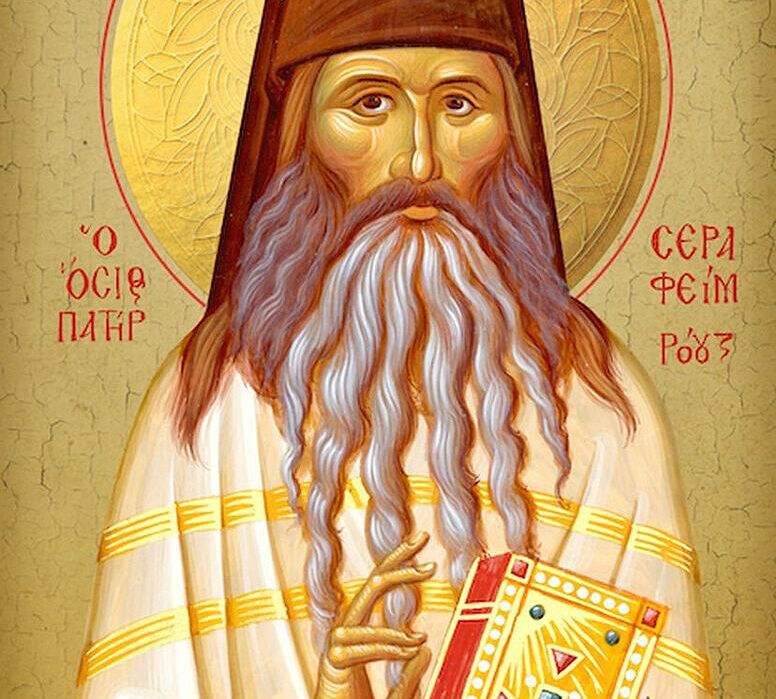
A Greek icon of Fr. Seraphim. Photo: uncutmountainsupply.com
The following article was written at Holy Trinity Monastery at Jordanville, the spiritual center of the Russian Orthodox Church Outside of Russia, in 2001.
In Colorado, in the 1990s, there lived a young cowboy named Ross. He was a real, modern cowboy. His family owned huge plots of land by our standards, where a herd of cows pastured. Nevertheless, the family was not very well off, and had to do many things with their own hands. Ross would spend the entire fall and spring in the saddle, as a cowboy should. The rest of the time he was an ordinary American youth: He had a Harley, he had long hair, and he listened to modern music. The area where Ross lived was traditionally Protestant, so naturally, his family was Protestant.
What happened then? Nothing unusual, and yet, something unusual: Ross decided to find the truth that would explain everything to him about the world, about life and death, and about himself. Ross quickly passed through all the traditional American confessions, not finding what he was looking for. Then he decided to delve into Church history. In doing so, Ross discovered a treasure trove of Patristic writings. But the fathers lived long ago, and Ross wanted to find the thread of their tradition in modern life. He began to read many modern authors until he came across, of course not “accidentally,” a book of some Hieromonk Seraphim with the beautiful last name of Rose. The young man did not know that this spiritual rose would fill his life with the fragrance of true Christianity.
Having read this book, Ross started looking for others, until he read everything that was available from Fr. Seraphim. From them he learned about Truth, Which had long awaited him, though he didn’t know the path to it. Ross learned that this Truth is Christ—not the saccharine and modernized Christ preached by Protestants, but the living Christ, living among His chosen people, called the Holy, Catholic, and Apostolic Church. He learned about the history of this Church and much else—for example, about Russian Orthodoxy, about Holy Rus’, about the New Martyrs of Russia. Then Ross found Orthodox Christians and received Holy Baptism with the name Ignatius. He told us all of this when he came to Jordanville on pilgrimage.
Of course, such cases, when young people who are looking for the truth find it with the help of the writings and life example of Hieromonk Seraphim (Rose), occur not only in America, but also in the Russian land, somewhere in Pskov or Siberia. But if for Americans Fr. Seraphim is their own, then how does he attract Russian hearts? And not just Russians—after all, he enjoys no less respect in all Eastern European countries.
The fact is that, by the will of God, Hieromonk Seraphim became a symbol of our times, a symbol of how you can turn from false spirituality and godlessness to the Truth. How many times I have heard from completely different people: “You know, my life is very similar to the life of Fr. Seraphim.” It’s true. His fate is the fate of the modern lost generation, to which, by the mercy of God, true Christianity is suddenly revealed.
The milestones of this fate are as follow:
First milestone: Disillusionment with the tradition you grew up in; the realization of its falsehood. In the West, it’s usually a false-Christian tradition (Fr. Seraphim was from a Protestant family); in Russia—atheism, and beginning with perestroika—the “religion” of comfort and good living.
Second milestone: After disillusionment comes a conversion to false spirituality, whether it’s Buddhism, as was the case with Fr. Seraphim, or various sects and cults, or occult practices.
Third milestone: Spiritual sobering up and a realization that there is no truth in the realm of “non-traditional spirituality;” a dead end; an awareness of your own infirmity, of the need to meet the Living God, and a longing for the help of the Divine Redeemer.
Fourth milestone: The revelation of the Divine-human Church with its healing Sacraments, with its daily miracle of God’s presence with the faithful. Here there can be no mistake, for not only does the soul exult, but every cell of the body rejoices, anticipating liberation. Do you remember what Fr. Seraphim experienced when he first found himself at the Russian Orthodox Cathedral in San Francisco, where the service was being held in a language unknown to him? He realized that “this door” was closed behind him forever.
But it’s not enough to find the true Church—you also have to remain in it. This is especially difficult for those who came to the faith as adults or who were raised in a heterodox tradition. Here begins the daily podvig of the Christian life. Fr. Seraphim showed us just such an example of how to patiently, deliberately, and wisely live an Orthodox life from day to day, until his very repose. He won the battle with evil spirits, a battle that became especially acute before his painful end. He did not succumb to any temptations, remaining a faithful child of the Orthodox Church to the end.
Example and testament
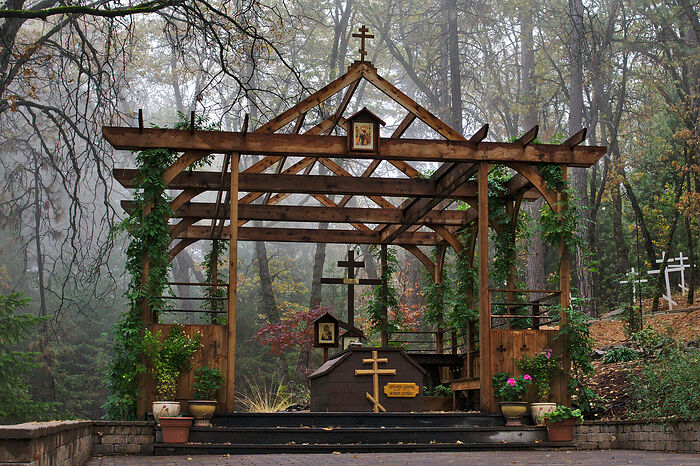
The simple grave of Fr. Seraphim. Photo: Wikipedia
Those who knew Hieromonk Seraphim well say that he really was an example in everything: He always behaved simply and modestly, he did not throw himself into extremes, and when there were temptations, he sought an answer in the holy fathers and sought the will of God through the decisions and instructions of the hierarchy; he was tolerant of the weaknesses of others and intolerant to his own shortcomings. Fr. Seraphim did not suffer from “convertitis” and did not play the role of a spiritual elder or super-spiritual theologian. It was for this humble attitude towards himself that the Lord made him a source of living water for many suffering souls. The Lord put words of discernment and love in his mouth. The Holy Spirit enlightened his mind when he wrote his theological works and when he preached and instructed his spiritual children, whether by letter or orally.
But aren’t there many people, say, in the United States, who have the same fate as Fr. Seraphim? There are many of them. Aren’t there enough Church writers in our days? There are enough. So why do we honor Fr. Seraphim? Why do Orthodox hearts on every continent respond to his words? Is it not because the Lord exalted him and sanctified him with spiritual gifts while he was still alive? And we are drawn to Fr. Seraphim, sensing this holiness with our hearts.
In antiquity, the teachings of Christ were often simply called “the Way.” And I think this is no accident, because it is not salvific for us to simply learn Christian teaching, but we ourselves must walk the difficult path of Christ to the end. Many people are puzzled in our days about how to walk this path. Let us learn this art from Hieromonk Seraphim (Rose).
Fr. Seraphim taught that in any difficulties or doubts, when a new, hitherto unknown question arises, we must, first of all, put aside bias, prejudice, and suspicion, and carefully examine what the holy fathers said about it; secondly, turn to a confessor; and thirdly, ask the Lord for understanding, and the answer will surely come. We have to accept this answer, even if it contradicts the opinion of society or our own previous beliefs. Fr. Seraphim himself always behaved this way.
Hieromonk Seraphim considered the judicious study of the Patristic texts to be a very important part of the Christian life. One hieroschemamonk in Russia once said that Fr. Seraphim, although an American, acquired the spirit of the holy fathers better than many who had grown up in an Orthodox environment. And this is no surprise. As we know, the most important quality inherent in all the holy fathers is sobriety. Hieromonk Seraphim assimilated this quality from the Patristic heritage.
Sobriety taught Fr. Seraphim not to be proud of the veneration that surrounded him during his lifetime. Sobriety kept him from extremes throughout his monastic path. Sobriety guided him in choosing the Church position, pointing out the middle, royal path between the extremes of Church renovationism and fanatic self-sufficiency. Sobriety taught him to treat Orthodox modernists and non-Orthodox Christians not as enemies, but as wayward brothers who have yet to understand the full perniciousness of their views.
Hieromonk Seraphim taught that if we throw up our hands before the forces of darkness, if we give up hope, then we cease to be Christians. He believed that in any case, under any persecution, the Orthodox must not be embittered, because Christian love believes everything, hopes in everything, and never fails.
Fr. Seraphim’s preaching was not gloomy. Even about the end of the world, he spoke calmly and judiciously, without any “eschatological ecstasy.” He was penetrated with the evangelical spirit—the apostolic, first-Christian, ascetic spirit. In his person, the world was shown an example of a Christian of the first times, who turned the eyes of his heart to the spiritual Heaven in anticipation of the coming Lord.
At the same time, Fr. Seraphim was a true “Egyptian” monk of our times. His soul was in love with the ideal of monastic otherness—life not by the laws of the sinful world, but by the commandments of the Heavenly world. But he didn’t create a cult out of monastic world-denial, as some modern Church writers do, playing at asceticism. Fr. Seraphim did not play—he lived by asceticism, and therefore he didn’t put it on display, didn’t boast of it, but chastely hid it from casual eyes. Like every other Orthodox righteous one, he was a child of the Gospel in his soul, deeply feeling and loving the beauty and harmony of God’s creation.
There is a golden thread running through Fr. Seraphim’s articles and letters of the idea that our goal today is the unity of the Orthodox and that our strength is an honest but gentle word. If we are consistent and firm in achieving this goal, then by the mercy of God we will see the triumph of Orthodoxy. But conversely, we will never see this universal triumph if we cross out everyone who is not with us now for various reasons, if we isolate ourselves and give up the work of preaching Christianity to which we are called.
The path to the Russian heart
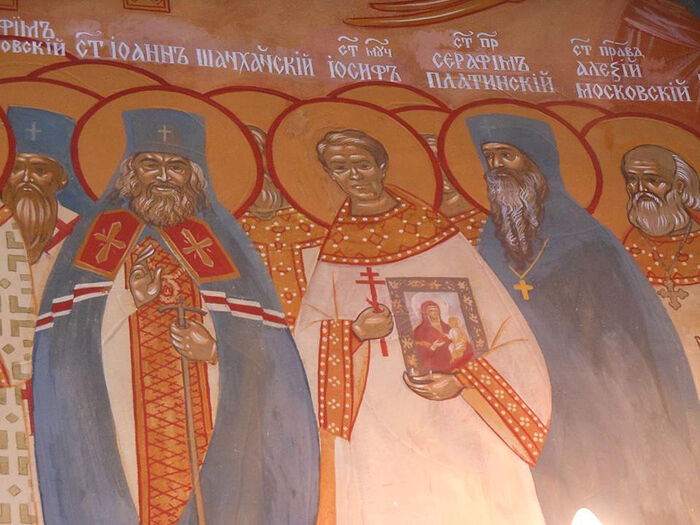
Fresco of St. John, Br. Jose, and Fr. Seraphim at a church in northern Moscow
Some people ask: “Is it possible for the Russian people to understand and accept the mission of the Russian Church Abroad?”[1] Such people don’t know that the people have already accepted it, which happened when they received into their hearts such luminaries of the Russian Church Abroad, such as St. John (Maximovitch), Hieromonk Seraphim (Rose), and the tortured guardian of the myrrh-streaming Iveron Icon, Br. Jose Muñoz. There is no doubt that the universal veneration in Russia of St. John, Hieromonk Seraphim, and Br. Jose is a guarantee that the Russian people are spiritually alive and have the strength to remove unclean growths from their bodies.
We must understand that the path of St. John, Fr. Seraphim, and Br. Jose is the sole path to the heart of the Russian people. It’s impossible to achieve positive results by proud denunciation and self-assured super-correctness. The only true way is to enter into your heart and become a light for the world through unceasing repentance and prayer, not trusting in yourself at all, but placing all your hope in the Lord. The saints walked this path, and therefore their words were spoken “with authority.” One look, one phrase would ignite and renew dozens of people, for they were no longer their words and actions, but the words and action of Christ Himself, addressing people through them.
May the bright image of Hieromonk Seraphim (Rose) be like a candle in the dark, standing before all those who walk this path to the Russian people with their spiritual preaching.
Testimonies
Here are a few examples testifying to the fact of Fr. Seraphim being chosen by God, to his care for us, and to his veneration by the faithful.
Hieroschemamonk Raphael (Berestov) says that during the soviet times, the monks of the Holy Trinity-St. Sergius Lavra highly valued the words of Fr. Seraphim. They translated some of his works into Russian and distributed them among the faithful.
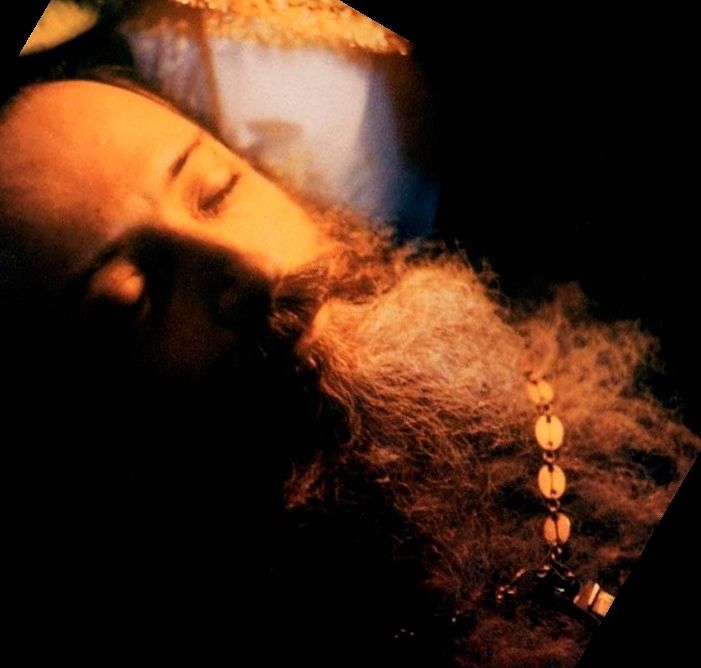
Fr. Seraphim in repose
When a photo of Fr. Seraphim lying in his coffin was sent to the Lavra, Hieroschemamonk Raphael was struck by how bright, clear, and alive Fr. Seraphim’s face[2] was. Fr. Raphael recalls that he literally ran around the Lavra showing everyone this photo, saying that in seeing such a face, a non-believer could become a believer…
Thus, Russian monks, wholly devoted to unbroken Orthodoxy, have long loved and venerated Fr. Seraphim.
Now, back to America. One Orthodox family suffered a tragedy in 1997, when the father, Subdeacon Vasily Anderson, died. During his lifetime, Subdeacon Vasily was a kind Christian and was involved in missionary publishing. He and his wife adopted two orphans from Russia. Vasily was a Godchild of Fr. Seraphim. After Vasily’s sudden death, his sister Cecilia, also a Godchild of Fr. Seraphim, saw Fr. Seraphim in a dream. He was preoccupied with something, doing something. Cecilia asked him what he was so busy with. Fr. Seraphim answered that he had many cares, as he was preparing a place to greet the newly-reposed servant of God Vasily.
If we try to spiritually draw near to Fr. Seraphim (Rose) in this life, then by the grace of God, we will also be with him in the future life.
Monk Vsevolod (Filippev)
Translated by Jesse Dominick
VKontakte
9/2/2020
[1] Note that this article was written in 2001, six years before the Russian Orthodox Church Outside of Russia reunited with the Moscow Patriarchate.—Trans.
[2] The word used here for face is “лик (lik),” which is generally used to refer to the faces of the saints, the faces on icons.—Trans.
Σάββατο 27 Ιουνίου 2020
Παρασκευή 22 Μαΐου 2020
Ὁ μηδενισμός δεν στοχεύει τόσο στην απόρριψη της Χριστιανικής πίστης όσο στη συνεχή διαστρέβλωση της Αλήθειας που κατέχει
Ἔχει ξεκινήσει μία ὑποχθόνια ἀθεϊστική ἐπανάσταση ἡ ὁποία δέν ἀρνεῖται ἐξωτερικά τόν Θεό ἀλλά τόν περιορίζει. Κάθε βῆμα προόδου ὁδηγεῖ στήν βαθμιαία κατάρριψη τῆς πίστεως. Ἡ ἐπανάσταση αὐτή δέν θέλει νά ὁδηγήσει τόν ἄνθρωπο στήν ἐξαφάνιση τοῦ Θεοῦ ἀλλά στήν κατανόηση πώς ἄν ὑπάρχει Θεός αὐτός εἶναι ἐχθρός (μέ τήν ἔννοια ὅτι κινδυνεύεις ἐξαιτίας τῆς πίστης σου). Καί αὐτή ἡ πίστη ἀποτελεῖ κίνδυνο γιά τήν ἐπιβίωση τοῦ ἀνθρώπου. Ὁ Στρατός τῶν ἐχθρῶν του Θεοῦ συνίσταται τόσο ἀπό ἐκείνους πού μέ τρόπο παθητικό ἀποδέχονται αὐτή τήν θέση καί στέκονται στήν ὀπισθοφυλακή ὅσο καί ἀπό τούς λίγους ἐνθουσιώδεις δρῶντες πού καταλαμβάνουν τήν πρώτη γραμμή μάχης.
Ὅμως εἶναι ἄκρως σημαντικό νά παρατηρήσουμε τό γεγονός ὅτι οἱ γραμμές τοῦ ἀντιθεϊσμοῦ βρίθουν ὄχι μόνο ἀπό παθητικούς καί δρῶντες ἀθεϊστές αλλά καί ἀπό πολλούς πού πιστεύουν ὅτι θρησκεύουν καί λατρεύουν τόν Θεό. Αὐτός ὁ μηδενιστικός πόλεμος δέν ἀποκλείει κάν τή χρήση τοῦ ὀνόματος τοῦ Χριστοῦ. Τά αἴτια αὐτῆς τῆς Ἐπανάστασης εἶναι πνευματικά αν καί ἐξωτερικά δέν διακρίνονται.
Τά ἐπιχειρήματα τῶν ἐφαρμοστῶν φαίνονται πειστικά όχι χάρην τῆς ἀλήθειάς τους ἀλλά χάρη στό βαθμό πού τό πνεῦμα αὐτό ἔχει προετοιμάσει τούς ἀνθρώπους νά τή δεχτοῦν. Ἡ φύση λοιπόν αὐτοῦ τοῦ ἀντιθεϊστικοῦ δόγματος βρίσκεται στόν ἀντίποδα τῆς Χριστιανικῆς πίστεως.
Ἡ χριστιανική πίστη γίνεται πηγή Χαρᾶς, σιγουριᾶς, Εἰρήνης, πηγή ἀγάπης, μετριοφροσύνης, ὑπομονῆς καί ὑποταγῆς κάθε θελήματος στό θέλημα τοῦ Θεοῦ. Ὁ μηδενιστικός ἀντίποδάς της εἶναι γεμάτος ἀπό ἀμφιβολία, καχυποψία, φόβο, ταραχή, ἀντίσταση σέ ὅτι ἔχει σχέση μέ τόν Θεό.
Ὁ μηδενισμός δέν στοχεύει τόσο στήν ἀπόρριψη τῆς Χριστιανικῆς πίστης ὅσο στήν ὑπακοή ἀπέναντι σέ Αὐτόν.Γνωρίζει ὅτι ἡ χριστιανική πίστη κατέχει τήν ἀλήθεια γιά αὐτό καί προσπαθεῖ νά ἑδραιώσει τήν θέση τοῦ ὄχι μέ ἄμεση βία ἀλλά μέ τήν συνεχῆ διαστρέβλωση τῆς ἀλήθειας αὐτῆς. Ἡ ἐξωτερική βία ἀντικαταστάθηκε ἀπό τήν ἐσωτερική πειθώ. Ὁ ἀκαδημαϊκός κόσμος ἔχει γίνει πηγή διαφθορᾶς στό μεγαλύτερο μέρος του. Ἡ Ὀρθόδοξη πίστη ἔστω καί ἡ ὀρθόδοξη πίστη ἔστω καί ἐλαφρῶς ἀλλοιωμένη ἔχει πολύ καταστροφικές συνέπειες.
Ὑπάρχουν Ἐπίσης σέκτες οἱ ὁποῖες ἰσχυρίζονται μία ἀόριστη ἔμφυτη δύναμη μέσα στόν ἄνθρωπο, αὐτές ἀναφέρονται στή Νέα σκέψη καί τή θετική σκέψη καί μέλημά τους εἶναι νά καλλιεργήσουν καί νά χρησιμοποιήσουν αὐτή τήν δύναμη σάν νά ἐπρόκειτο γιά μορφή ἠλεκτρισμού. Ἡ λεγόμενη παθητική στάση (τοῦ ἔλα μωρέ) τόσων πολλῶν ἀνθρώπων σήμερα μαρτυρεῖ τήν δηλητηρίασή τους ἀπό αὐτό τό σχέδιο τοῦ ἀντιθεϊσμοῦ ...
π. Σεραφείμ Ρόουζ
Πηγή
Τρίτη 31 Μαρτίου 2020
Father Seraphim Rose: Strength in Christ

“So that we will not forget Him and His eternal Kingdom, God mercifully sends us troubles, distress, sorrows, persecution; these are to awaken us who sleep and show us where our true home is. Let us remember the example of the Holy Apostles, and especially the burning fervor and faith which sustained them in all their trials; let us heed the many exhortations of the Apostle Paul, as well as those of our shepherds today who continue to speak and tell us to prepare, in pain and tribulation, for the Kingdom of eternal glory and joy. Weak as we are, no trial is too great for us if our strength is of Christ. “I am persuaded that neither death, nor life, nor angels, nor principalities, nor powers, nor things present, nor things to come, nor height, nor depth, nor any other creature, shall be able to separate us from the love of God, which is in Christ Jesus our Lord” (Rom 8:38-39)” – Father Seraphim Rose
Source
Δευτέρα 10 Φεβρουαρίου 2020
π. ΣΕΡΑΦΕΙΜ ΡΟΟΥΖ «Είμαστε προσκυνητές σε αυτή τη γη και δεν υπάρχει τίποτα μόνιμο για μας εδώ...»
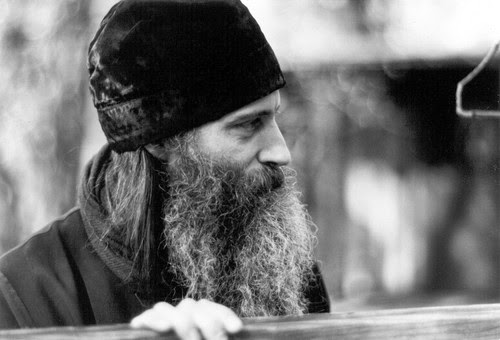
(1931–1982)
Στη φράση του π. Σεραφείμ («Είμαστε προσκυνητές σε αυτή τη γη») μάλλον δεν θα πρέπει να νοήσουμε τους «προσκυνητές» με την κλειστή έννοια της ενέργειάς τους...
Αυτοί «προσκυνούν», όχι τόσο με τη σημασία ότι «πέφτουν κάτω και κάνουν μια εδαφιαία μετάνοια» ή ότι «υποκλίνονται βαθιά», αποδίδοντας έτσι σεβασμό ή εκφράζοντας συντριβή, αλλά «προσκυνούν» με την έννοια τού ότι σταθμεύουν μεν για λίγο, αλλά λίγο αργότερα «προχωρούν πιο πέρα»...
«αφήνουν κάτι, κάποιους ή ακόμη και τα πάντα πίσω τους» και, έτσι, «συνεχίζουν την πορεία» τους, ως αεικίνητοι «προσκυνητές»,
«ξεχνώντας όλ’ αυτά που είναι πίσω τους και κάνοντας ό,τι μπορούν για να φτάσουν αυτά που είναι μπροστά τους»
...όπως λέει εμφατικά ο Απόστολος Παύλος (πρβλ. Φιλ. 3, 13).
Διότι ο «προσκυνητής» εν προκειμένω είναι αυτός που, κατά τα ρωσικά ευλαβικά ειωθότα, αφιερώνει ολόκληρη τη ζωή του στον μακρύ κόπο της συνεχούς επίσκεψης προσκυνημάτων ανά τη χριστιανική οικουμένη.
Για το λόγο αυτό ο «προσκυνητής», μη έχοντας ο ίδιος «τίποτα μόνιμο εδώ» –πάντα σύμφωνα με τη φράση του μακαριστού π. Σεραφείμ– είναι κατά πάντα «απροσπαθής», ελεύθερος και αδέσμευτος παραμένοντας πάντα περαστικός, πάντα φευγαλέος, πάντα οδίτης, πάντα διαβάτης και παρεπίδημος, πάντα άοικος και άπατρις...
Σε κάθε του νέο «προσκύνημα» ανακαλύπτει έκπληκτος και ένα άλλο μυστικό «επέκεινα» του Θεού, συνάμα και του εαυτού του· και σε κάθε του εξαντλητική πορεία διαπιστώνει ότι όλη η φρούδα, επίγεια και επίμοχθη ζωή του ριζώνει βαθύτερα στον Ουρανό, όσο μελετά και συνειδητοποιεί την προσκαιρότητα της ζωής των επιγείων...
Μέσα στην υπόπτερη καρδιά του «προσκυνητή» θα βρούμε απτό «το μυστήριο της ευσεβείας» (πρβλ. Α΄ Τιμ. 3, 16), της ζωής και του θανάτου, της φθοράς και της αιωνιότητας, τελειούμενο στην εσχατολογία των πάντων, η οποία εδράζεται πλήρως στο πρόσωπο του αγαπημένου, φίλου, οικείου, αλλά και του ξένου, υπερκόσμιου και αιώνιου Σωτήρος Χριστού...
Ο τύπος του ανθρώπου που εκπροσωπείται από τον «προσκυνητή» είναι αυτός που με έναν «άλλο» τρόπο παρείδε τη ρουτίνα των τετριμμένων και τη στατικότητα των επιγείων, και...
βηματίζει αποφασιστικά προς έναν άλλον ορίζοντα...
Ποιον ορίζοντα; Τον ορίζοντα των μη ορωμένων αλλά και των αληθινά μενόντων.
Η πορεία του δύσκολη, κοπιαστική, ακατανόητη και διαρκώς αμφισβητούμενη...
Ποιος είναι αυτός που πάει κόντρα στην προσκαιρότητα και δεν συμπλέει με τη φθορά των έργων των πολλών;
Πώς τολμάει να διανύει έναν τέτοιο εσωτερικά πολύπονο και περιπετειώδη βίο, για να συναντήσει και να βιώσει την ελευθερία της καρδιάς του, αναιρώντας τις συμβάσεις του εφησυχασμένου πλήθους;
Αυτός που μένει απόρθητος στη φθορά, δεν μπορεί να μείνει άγευστος του μαρτυρίου.
Αλλά εκεί στο μαρτύριο βρίσκεται η παράκληση και η παρουσία του Θεού...
~ π. Δαμιανός
πηγή